
If you read my previous post, I referred to my mom as being the original Plant Lady. She always had tons of plants in any house we lived in and they were all healthy and blooming prolifically if they were of the blooming variety.
At one house where she lived, she had a collection of the most beautiful African Violets I have ever seen! Some of them were as large as a foot across! I was stunned when I walked into the sun porch she kept them in and saw the huge collection she had!
Table of Contents
Streptocarpus Background and History
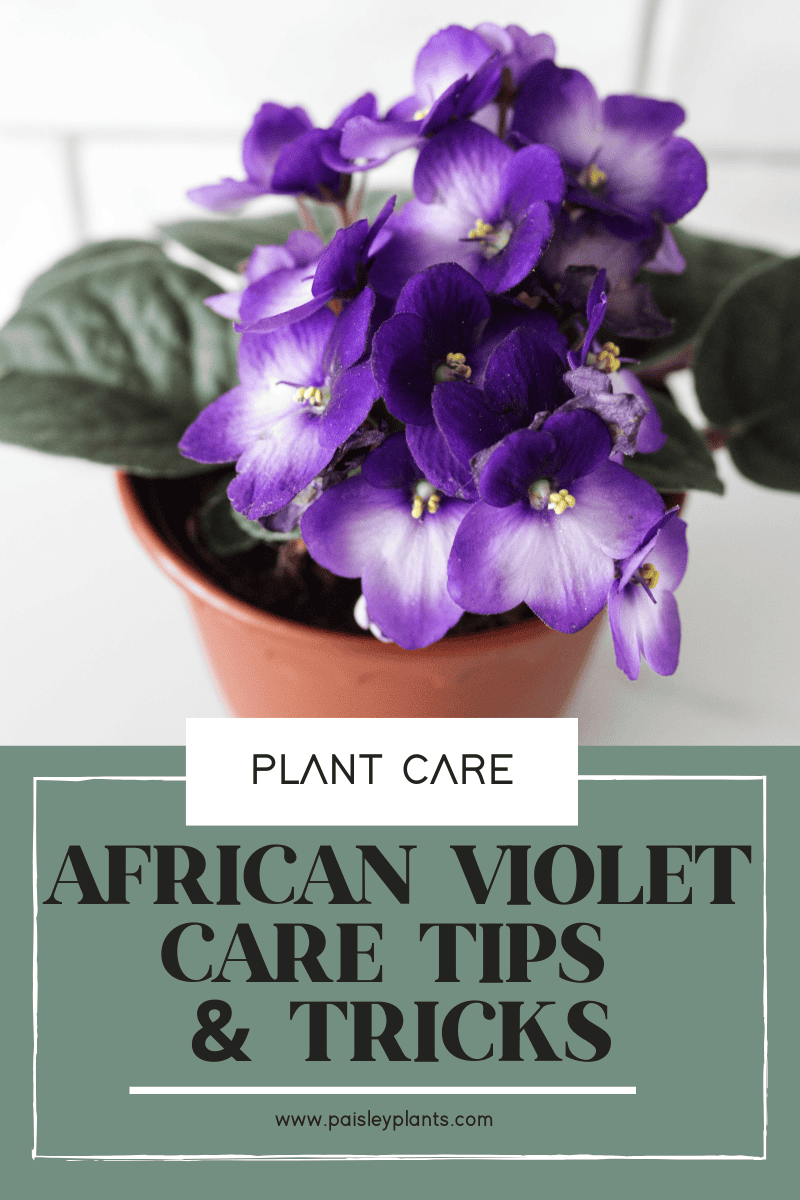
The Streptocarpus or Cape Primrose are native mostly to warm, mountainous areas of the world such as central and southern Africa, Venezuela, Argentina, islands of the Indian Ocean, southeastern Australia, Laos and Vietnam.
Common Names
We know these plants most commonly as African Violets. They are also called Cape Primrose, which refers to the species that is native to South Africa.
The name Streptocarpus comes from the Greek “strepto” meaning “twisted” and “carpus” meaning “seed.” The seed capsule of this genus is twisted, which the name refers to.
Varieties
This is a genus with over 150 species. The plants in this genus vary in height and can spread from one to one and a half feet in length. There are also trailing varieties that can grow much longer.
Toxicity
The Streptocarpus is not known to be toxic to either humans nor pets, but if ingested in large quantities, it may result in vomiting, nausea and loss of appetite. As will all plants, keep them out of reach of small children or pets to be on the safe side!
Care Tips for African Violets
Water Requirements
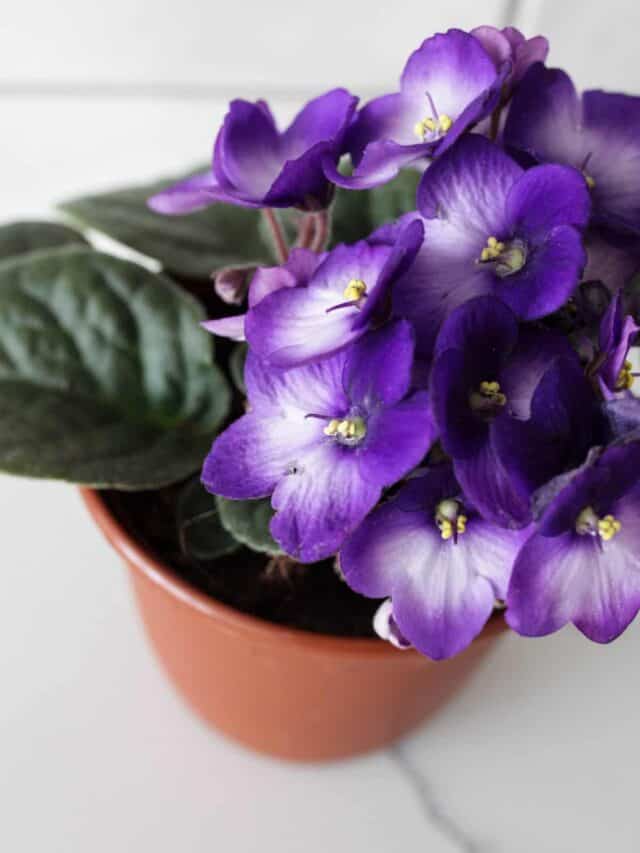
When the top couple of inches of the soil becomes dry, it is time to water your Streptocarpus. Remember to not let your plant sit in water as it can become too soggy and develop root rot or crown rot.
You will need to keep a regular watering schedule for the spring to fall months, but back off somewhat over the dormant winter months. The first symptom of overwatering will be leaf wilt. Keep an eye out for this so you can stay on top of it!
Also, these plants do not like to have their leaves wet, so do not need to be misted. Since it is hard to water plants from the top without getting the leaves wet, I would suggest bottom watering these.
Light Requirements
Your Streptocarpus needs bright, indirect sunlight to thrive. Direct sunlight may burn or scorch its leaves, so don’t put it right in front of a window where the sun comes in the afternoon. The glass from the window can magnify the heat from the sun and this will harm your plant in the long run.
If necessary, you can also use grow lights to supplement your light source. These plants naturally come from wooded areas in the mountains, so don’t need full midday sunlight. The can use the extra light to ensure they bloom, but again, not direct sunlight.
Soil Requirements
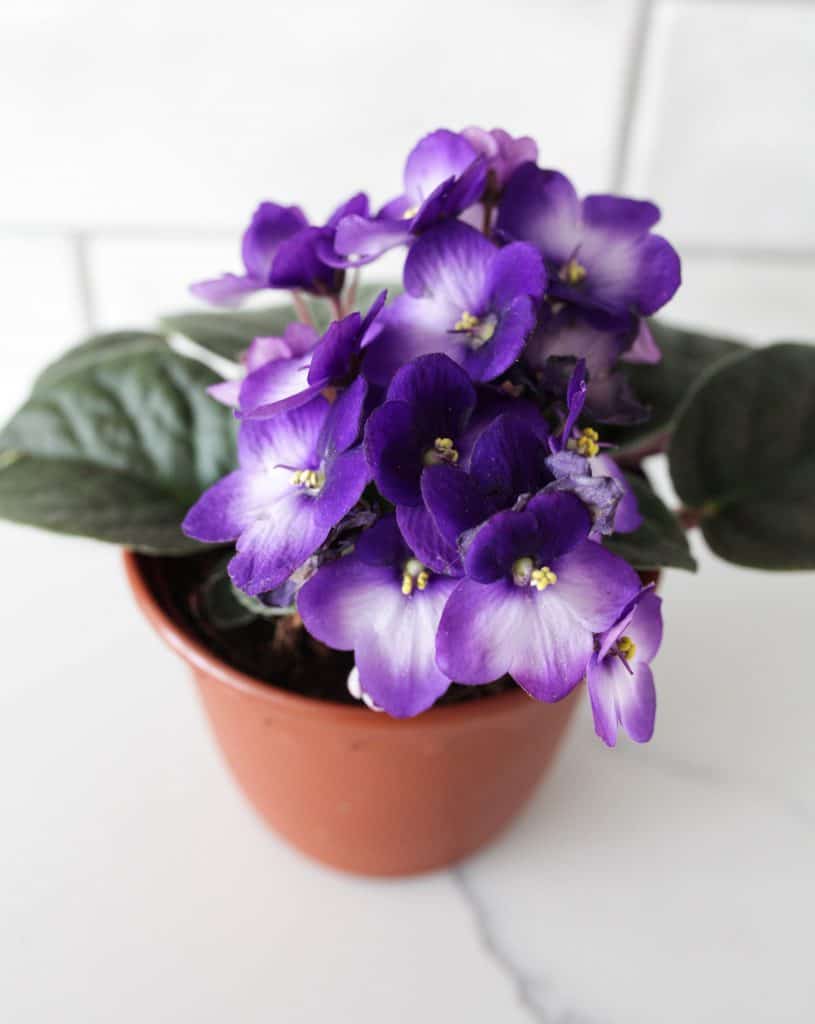
Since these plants have a small, shallow root system, they are best grown in smaller pots. They do need good drainage, so you should use an African violet potting mix. These are sold commercially or you can make your own.
If you make your own, you can use a premium quality potting mix and add 20-30% perlite or vermiculite. This will give you a good medium in which to grow your Streptocarpus.
Find more soil recommendations here.
Fertilizer Requirements
You should use a liquid fertilizer that has a balanced formula that is mixed ¼ to ½ the usual strength. The roots on a Streptocarpus can burn easily, so it is better to underfertilize than to overfertilize.
You can figure on feeding your plant every other watering. You will want to do this during the growing season (spring to fall) and then back off feeding the plant in early winter.
Temperature and Humidity
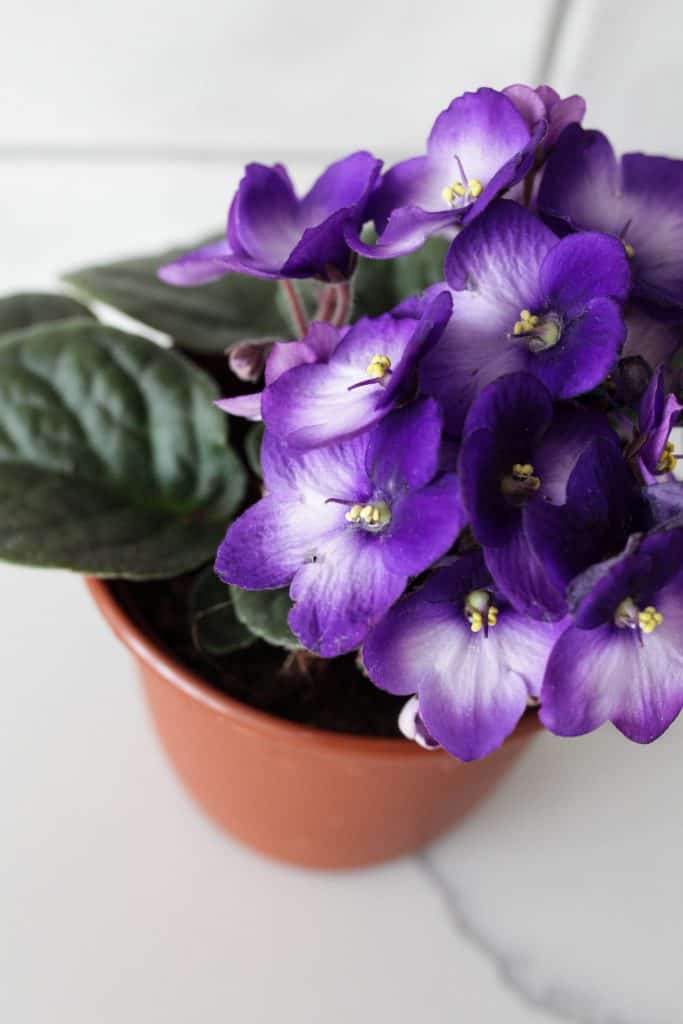
The optimum temperature range for your Streptocarpus is between 65 and 75 degrees F. This is the best range to help your plant grow and encourage blooming. They can tolerate temps down to 45 degrees F, but you wouldn’t want to keep them in that temp for very long as it could damage the plant.
As far as humidity goes, you don’t need much more than an even 50% humidity for your Streptocarpus. You can accomplish this by using a tray of water with pebbles to sit the pot on. This will add humidity to the air around your plant and supplement its humidity in an indirect way without going overboard.
Pests and Diseases
There are several types of pests that can be found on a Streptocarpus plant. Aphids, mealybugs, vine weevils, whiteflies, thrips and cyclamen mites are a few. The first line of action if you find a pest infestation, will be to isolate your plant from the others in your collection.
Most of these pests can be eliminated by using insecticidal soap or neem oil. These can be purchased at your local garden center. Read the instructions on the packaging to figure out how to treat each of these pests the best way.
As far as diseases go, fungal diseases can be best controlled by getting the growing conditions right. Grey mold, powdery mildew and root rot can occur in these plants. Remove any old or decaying foliage from the plant to help prevent diseases from spreading.

Pruning and Repotting
One thing to know about your Streptocarpus is that the ends of the leaves naturally die back in the autumn or winter months. Simply trim them off to help the healthier parts of the plant flourish.
If you decide to prune your plant on a regular basis, be careful to not trim back more than 25% of the entire plant. This will keep it healthy and not make it look overpruned. You can save the healthy leaves you remove for making new plants.
Common Problems for African Violets

Leaf Problems
There is one way to prevent problems with the leaves of your plant. They need proper airflow around them to grow in a uniform fashion, so be sure they are potted in a way that the center and top of the plant is above the pot. This will help the airflow to be good and encourage even growth of the plant.
Crowded and/or Deformed Center Growth
These plants are known for their fast growth. They need to be divided and repotted into fresh soil at least every six months. They do not like to be root bound. Be sure to check the roots on your plant for this problem as it sometimes can be mistaken for a mite infestation.
Lack of Blooms
This is not usually a problem for the Streptocarpus plant. If you are doing all the other things required to grow a healthy plant (such as watering properly, giving it proper light, fertilizing it evenly, etc.), you might need to check the plant for old growth.
Most of these plants will produce between 6-12 bloom stalks, but after that, will stop producing more buds. If there are new leaves being produced, the blooming will eventually cease. You should divide and repot your plant to give it a fresh start when this occurs.
FAQs
One thing to remember about your Streptocarpus is that they do not tolerate high heat well. Generally, they can tolerate temperatures in the low 60s to the high 70s degrees F. The summer heat in many areas of the country will be too hot for these delicate plants. You will have to test yours in your own climate to see how they fare, but take caution to ensure you don’t kill them!
Yes, it is possible. Always take care to follow the directions on the package of fertilizer when using it. Also, it is always better to err on the side of caution when using fertilizer. It can burn the leaves and constrict their growth.
Occasionally, it is also a good idea to water your plant and let the water run through the pot to clean out any excess fertilizer from the soil. This will help to clean out the excess salts that remain from the fertilizer.
Yes, it does. If you use a heavy soil mix for your Streptocarpus, it can cause root rot in your plant. The soil needs to be able to drain evenly and not remain soggy so the roots can get the needed oxygen to continue to grow.
Adding perlite or vermiculite to regular potting soil will help lighten the soil and prevent this from happening. You will also need to be careful to not overwater your Streptocarpus. This can have devastating effects if you do this on a regular basis and will ultimately kill the plant!
In Conclusion
I used to always equate these plants with old ladies and Victorian times, but they are actually beautiful and delicate additions to any plant collection. They add a touch of color and can be placed at various places around your home that you might not have room for larger plants. As always, keep on growing